
The Kind of Spring You Can Carry Home
A lot of conversations around spring in Utah follow the same script. The snow starts to melt, the trails open up, and suddenly everyone is supposed to feel inspired to get outside again. There is nothing wrong with that story, but it can get repetitive. It can also make spring feel like something that happens somewhere else. Up the canyon, out on a trail, or far from the neighborhoods where people actually spend most of their time.
There is another kind of spring that shows up in a much more ordinary way. It looks like seedling trays at the Fairpark. It looks like someone is debating whether they have enough room for tomatoes on a porch or herbs on a windowsill. It looks like people leaving a community event with dirt under their nails, a few plants in hand, and a small reason to step outside again tomorrow.
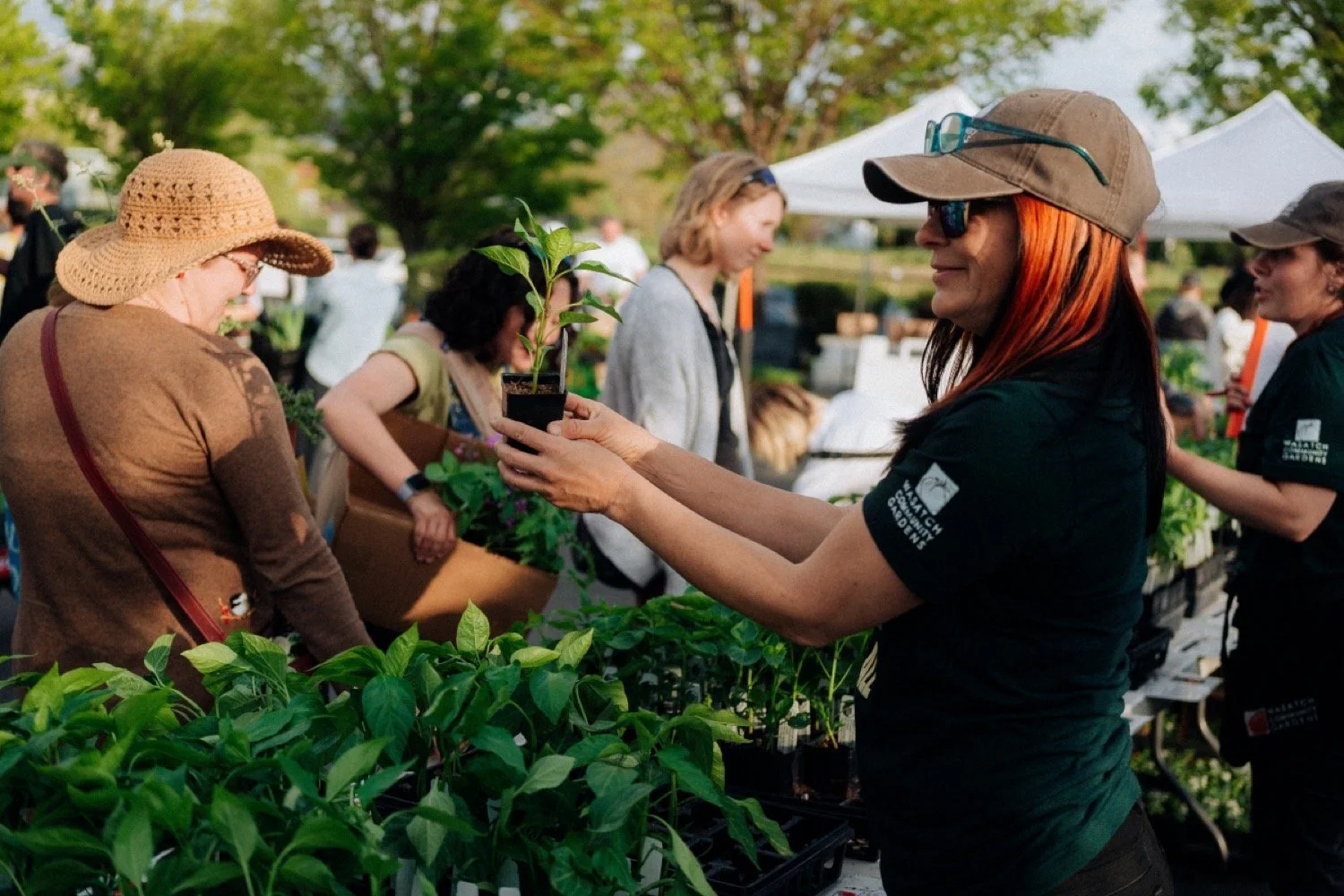
That is why Wasatch Community Gardens’ Spring Plant Sale matters more than it might seem. This year’s sale is at the Utah State Fairpark on Saturday, May 9th. Wasatch Community Gardens says that the Fairpark site was chosen in part to expand access to food-growing plants in a historically underserved area and to support community-led food sovereignty and access to fresh, local food.
What I like about this is how grounded it feels. It is not asking anyone to reinvent their life or suddenly become a master gardener. It starts with something much smaller than that. A basil start, a pepper plant, or a tomato someone hopes will make it through the summer. Then that plant becomes part of the week. You water it before work. You check on it after dinner. You notice when it finally puts on new leaves. And somewhere in that routine, time outside stops feeling like one more thing you are supposed to do and starts feeling natural again.
Wasatch Community Gardens says its Community Garden Program supports 650 gardeners across 19 gardens. The organization describes those gardens as places where people enjoy the outdoors, exercise, build community, and grow healthy food. Salt Lake City’s Public Lands Department adds that in 2023, these garden spaces occupied just 4.5 acres but produced fresh organic food for 640 individuals and households. The city says 44% of those gardeners qualified as low- to moderate-income, and 55 gardeners of refugee background participated through the International Rescue Committee’s New Roots Program. Those are impressive numbers, but what stands out even more is what they represent: more people with a nearby place to grow food, spend time outside, and feel connected to nature.
The plant sale carries that same spirit. This year’s event will feature more than 48,000 food-growing plants, all raised from seed through its farm-based Job Training Program serving women facing homelessness. Wasatch Community Gardens also notes that SNAP/EBT can be used for all food-growing plants, which makes the event more accessible for many people. It means this is not just a seasonal event for people who already garden, but it is also an entry point for people who want to start small.
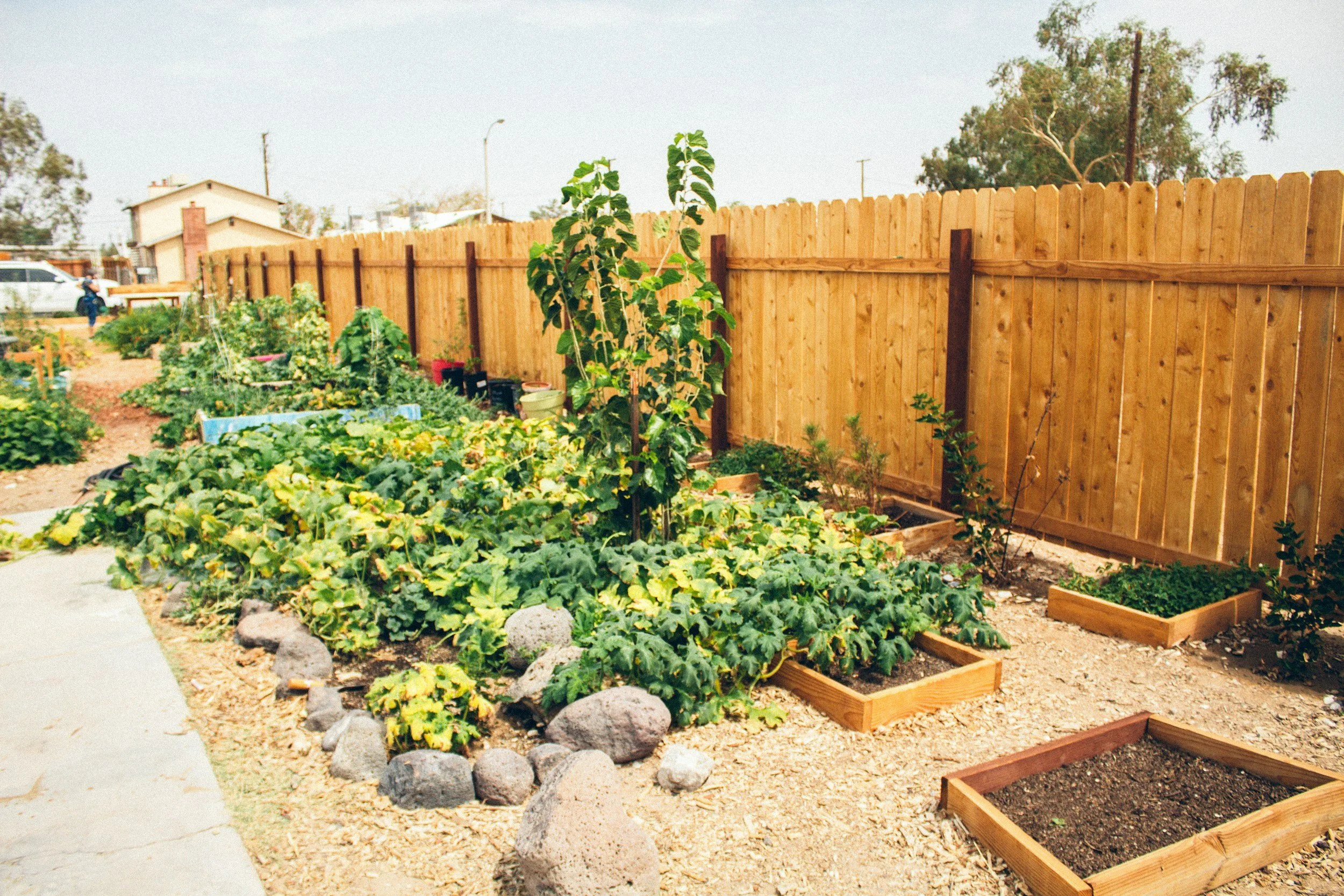
Much of Utah’s outdoor culture still centers on the big outing, getting up the canyon, heading for the trailhead, and leaving the city behind. Community gardens and community plant sales offer something different. They bring nature closer to home and make it part of ordinary life, creating space for people to spend time outside in ways that feel familiar, practical, and rooted in routine.
That matters in part because gardening itself can support health and well-being. In one of the first trials on community gardening, people who were new to gardening ended the season eating more fiber, getting about 42 more minutes of physical activity per week, and reporting lower stress and anxiety than the control group (Marshall, 2023). Community gardeners have also described feeling more connected, more grounded, and more accomplished through caring for plants and spending time outside (Rudolph, 2024). Those benefits do not have to stay in a community garden. They can begin at home too, with something as simple as a pot of strawberries on the patio or a few leafy greens in a small raised bed. Sometimes all it takes is a small reason to step outside and come back to nature each day.
On Salt Lake City’s west side, spring is arriving in herb trays, tomato starts, and the possibility of growing something at home. A plant sale may seem small, but it offers people a direct way to bring more green into their daily lives. For many, that can mean spending more time outside, paying closer attention to the season, and building a stronger connection to nature in the place where they live.
For those interested in more information about Wasatch Community Gardens and the Spring Plant Sale, click here.