
A Hot, Dry Summer Ahead, Can Nature-Based Solutions Help Utah?
At Nature and Human Health Utah, we believe that those who benefit from nature will, in return, take care of nature. Whether you are an avid skier, a birder, or someone who enjoys drinking your cup of coffee while breathing in the spring air, you may find yourself concerned about the state of our environment. It is no secret that here in Utah, there are many environmental concerns we are facing- the Great Salt Lake drying up, poor air quality, excessive summer heat, and an ongoing drought. These problems are shaping the future of the state's overall health, including the financial, social, mental, physical, and intellectual health of Utahns. When air quality is poor, mental health declines. If the lake dries up, real estate will become a disaster; if it is too hot in the summer, people will not want to gather for picnics or family reunions in local parks. The health of the environment is directly related to the health of our people. Therefore, we must work in harmony with one another and begin to consider nature-based solutions to climate change.
Dr. Nalini Nadkarni, founder of Nature and Human Health Utah, a biologist, and a National Geographic Explorer at Large, has long studied nature-based solutions through her work on tree canopies in the rainforest. When deciding on the topic of NbS for this blog, I knew I had to reach out to a local expert. Nalini shares:
“Nature-based solutions are actions that protect or restore ecosystems in ways that simultaneously address climate change, biodiversity loss, disaster risk, and human health. New financial mechanisms such as carbon credits, biodiversity credits, and resilience investments recognize what science has long shown: forests, wetlands, soils, and other living systems provide measurable benefits for climate stability, ecosystem health, and human well-being. In the Intermountain West, nature-based solutions such as forest restoration, watershed protection, and expanded urban tree cover can help reduce wildfire smoke and heat while improving the health and resilience of Utah communities.”
Since stepping down from her role as co-leader of Nature and Human Health Utah, Dr. Nadkarni became a Senior Fellow at the Sorenson Impact Institute at the University of Utah where she helps to lead their NbS initiatives through applied research projects aimed at expanding the market for nature-based solutions and by highlighting the value for investors to generate financial returns as well as measurable environmental and social impact. The Sorenson Impact Center is now exploring how to create metrics that document the intangible benefits of nature (mental health, community resilience, cultural value, and well-being), in ways that will reduce investor sense of risk and uncertainty in NbS, and use outcomes-based financing for environmental projects.
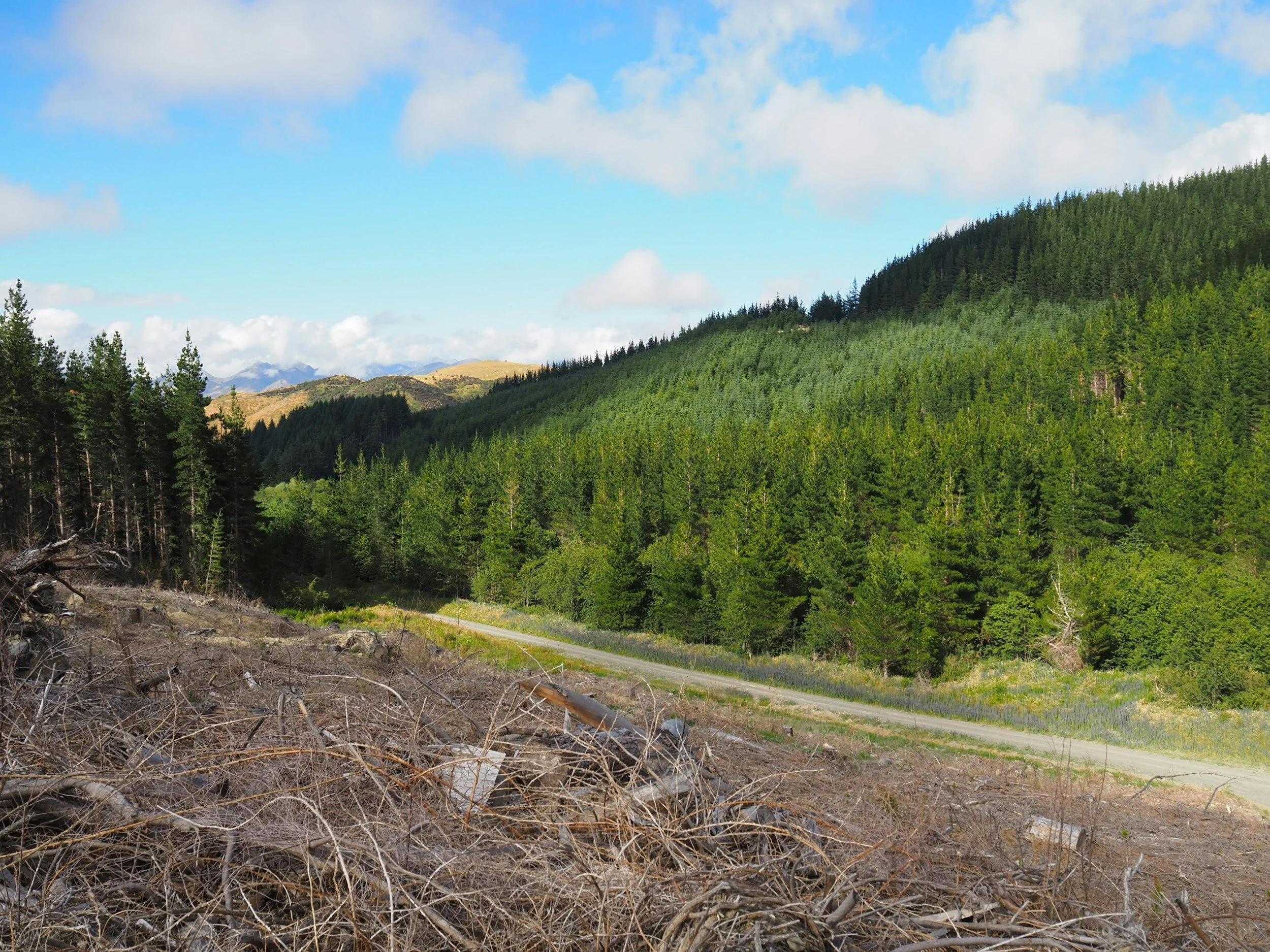
Another initiative happening in our backyard is in the Alpine Acres community in Summit County. The residents worked alongside the Utah Division of Forestry, Fire, and State Lands, with support from the Utah Resilience Fund, to restore areas of the forest in their community for wildfire prevention. This proactive, rather than reactive, approach to wildfire mitigation, using NbS, is exactly what our state needs, especially as we enter a summer that state officials fear will be extraordinarily bad given the historically low snowpack this past winter. Governor Cox noted in a recent statement, “We routinely have fires that are at least a million dollars a day. And with fuel prices, that’s going to cost even more this year.” Nature-based solutions provide a cost-effective pathway for mitigating climate risk and financial disasters.

Nature-based solutions are crucial, not only for the health of our environment, the health of our people, but for the health of the economy. If we continue to live as though we are separate from nature, the cost of that way of thinking will continue to rise, and we will face a plethora of consequences. Being proactive about the changing climate can also improve mental health and climate anxiety. In a recent article (Kwame Osei Atta Nimo et al., 2025), the authors identify “positive psychology coping techniques [as a way to] transform climate change fear into constructive, proactive and solution-focused behaviors.” By proactively embracing nature-based solutions, we can address environmental challenges, strengthen our communities, and improve our collective well-being here in Utah.