
There is a point every year when fall suddenly feels like it has arrived in Utah. The mornings are colder, the light looks different, and the mountains that were green a few weeks ago are starting to turn yellow, orange, and red. Even around Salt Lake City, trees I have walked past all summer suddenly stand out. Fall has always been one of my favorite seasons. I grew up in Fort Collins, Colorado, and moved to Salt Lake City for college, so I have spent most of my life somewhere with a noticeable change in seasons. Utah fall is especially hard to miss. Once the aspens start changing in the canyons, it seems like everyone is trying to figure out where the colors are best that weekend.
I am definitely one of those people. I love hiking, taking photos, camping, and finding reasons to be outside as the weather starts to cool down. But I started wondering why fall seems to have such a strong effect on people. Why does this particular season feel so different? There probably is not just one answer. Part of it is what we see in nature. Still, fall also brings back memories and gives us reasons to spend time outside with people we care about.
Wonder
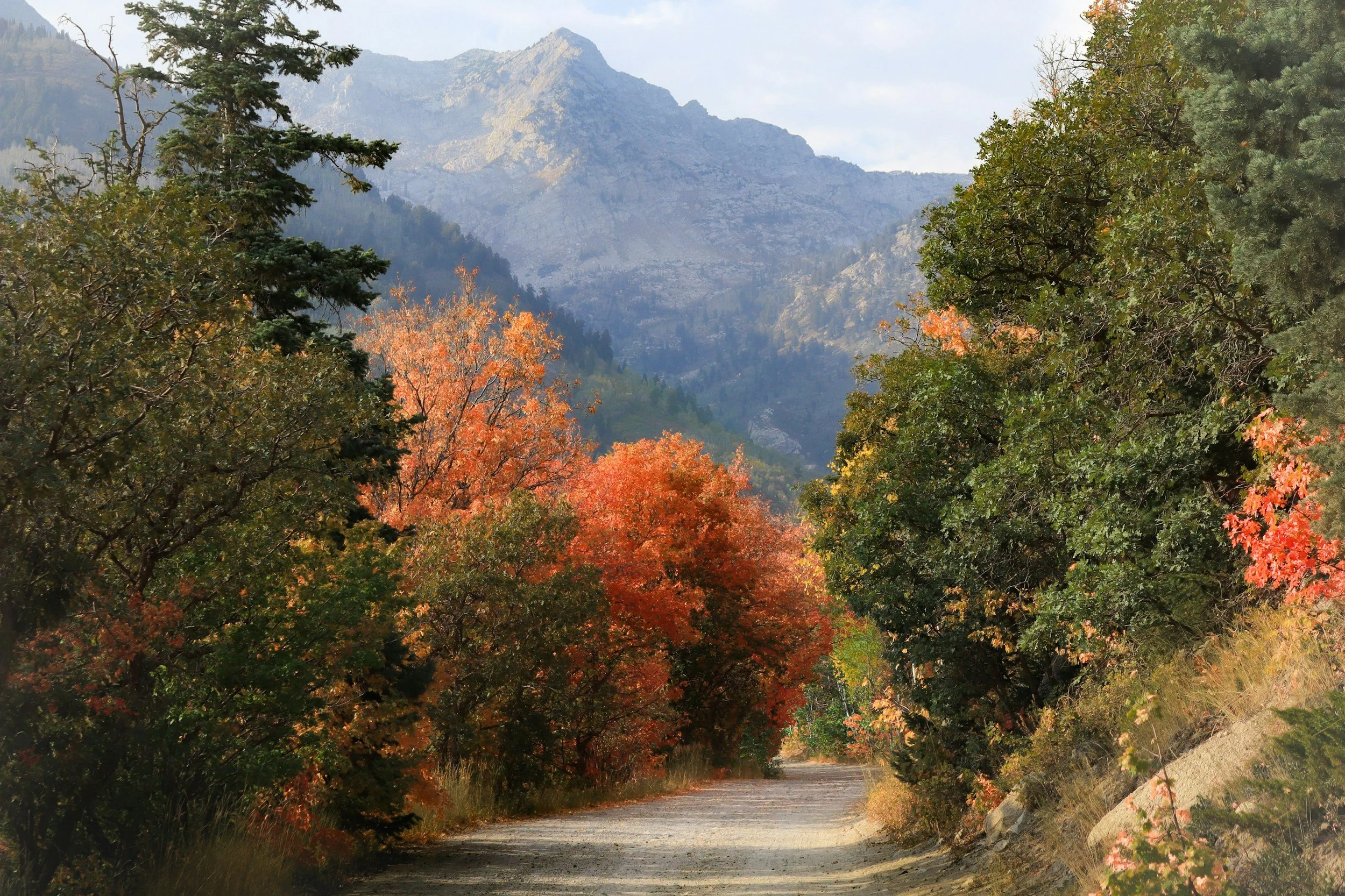
One of the best parts of fall is that it makes change impossible to ignore. We know what is happening biologically. Days get shorter, chlorophyll breaks down, and the green in leaves fades enough for yellows, oranges, and reds to show through. Animals are preparing for colder weather in their own ways, and garden plants are finishing out the growing season. Knowing why it happens does not make it any less impressive. I think this is part of why I enjoy taking photos outside so much. Taking photos makes me notice things I might otherwise overlook, and fall is one of my favorite times of year to do that.
There is even research suggesting that simply looking at autumn landscapes can influence how we feel. In one study, participants viewed images of an autumn mountain landscape and an urban scene. The autumn landscape was associated with greater physiological relaxation and improvements in mood. I do not think we need a study to tell us that fall colors are beautiful, but I like that there is research trying to understand why certain landscapes affect us the way they do.
Memories and Traditions
Fall also has a way of bringing back memories. The start of school, Halloween, football games, seasonal foods, or even the first really cold morning can remind us of earlier parts of our lives. Sometimes it happens unexpectedly. Fallen leaves, rain, or the smell of a campfire can bring back a memory before you even realize what you are thinking about.
I think part of that comes from how familiar the season is. Every year, the weather changes and certain activities come around again, even as our own lives look completely different. Growing up in Colorado and now living in Utah, I've experienced fall in different places, but certain things about the season still remind me of growing up. It's interesting how something as simple as the changing leaves can make memories from years ago feel so familiar.
A lot of those memories also involve other people. We go hiking with friends, visit pumpkin patches with family, or return to places we have enjoyed together before. Some of these activities become traditions without us even realizing it. Maybe it's taking the same drive to see the leaves every October or spending a weekend at a familiar campsite. Over time, we start to associate those places with the people we've shared them with.
I think there is something comforting about returning to those experiences, especially when so much else in life changes. Of course, nostalgia is not always entirely happy. A familiar place can remind us of someone we miss or a part of our lives that has changed. But these memories help explain why our connections to nature can become so personal. A favorite trail or a park we've visited for years can mean much more to us than just a beautiful place to spend time.
A Fresh Start
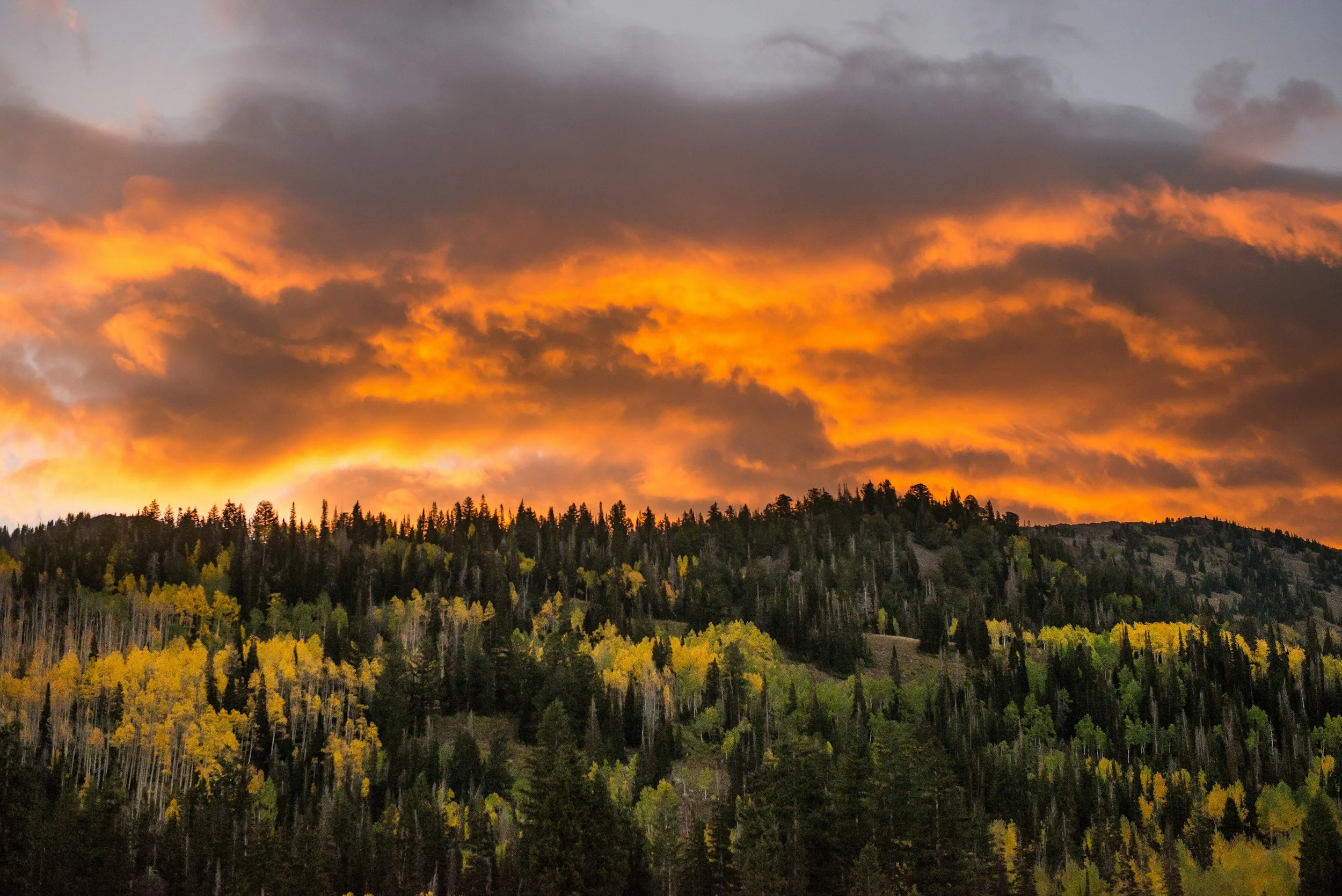
Fall is also interesting because nature is winding down for the year, but for many of us it feels like a beginning. I think school plays a big role in that. For most of our childhoods, late summer and early fall meant a new grade, new teachers, new classes, and a different routine. Even as adults, that feeling can stick around. This year especially, fall feels connected to change for me because I am starting my master's program in public policy at the University of Utah. It means new classes and a new routine, while I still balance work and everything else going on.
Psychologists sometimes describe moments that divide one period of our lives from another as temporal landmarks. The beginning of a new year is an obvious example, but so are birthdays, the start of a semester, or a major life transition. Research on temporal landmarks suggests that they can prompt us to reflect on where we are and what we want to do next. Fall seems to work that way for a lot of people. Between the changing landscape and the routines that come with a new season, it can feel like a natural opportunity to start something different.
More Time Outside
Probably the simplest explanation for why so many of us love fall is that it gets us outside. For me, cooler weather means I want to hike more, walk my dog, take photos, and spend time in the mountains without dealing with the summer heat or the snow that will come later. A lot of classic fall activities work the same way. Apple orchards, pumpkin patches, walks, hikes, and outdoor markets all encourage people to spend time outdoors.
That is especially relevant to the work we do at Nature and Human Health Utah, as a growing body of research links time spent in natural environments to various aspects of physical and mental well-being. We even have research on that connection here in Salt Lake City. In a University of Utah study, 92 adults took a 40-minute walk either through the arboretum at Red Butte Garden or through a nearby urban environment. People who walked through natural settings reported that their experience felt more restorative, and researchers found differences in brain activity related to executive attention.
The study was not about autumn, but I think it fits into the bigger picture of why spending time in nature can be good for us. Fall gives us another reason to get outside, whether that means driving into the Wasatch to see the aspens at their peak or spending an afternoon closer to home. A walk through a neighborhood park, lunch outside, or simply noticing the trees changing along your street can all be ways to enjoy the season. Those smaller experiences matter too, particularly because not everyone has the time, transportation, or ability to spend a day hiking in the mountains.
Why Fall Feels Different
The more I think about it, the less I believe there is one reason fall feels special. Between the changing colors, familiar memories, new beginnings, and time spent with people we care about, the season brings together many experiences that can have a meaningful effect on how we feel.
What I find especially interesting is how much of that connection comes from nature. The changing landscape gives us something to look forward to, brings back memories of previous years, and encourages us to spend more time outside. We might not always think about those connections when we're enjoying a fall afternoon. Still, they're part of what makes the season meaningful.
So before the last leaves are gone, I hope you find time to enjoy whatever part of fall means the most to you. Visit somewhere you love, bring someone along, revisit a tradition, or explore somewhere new. You might be making a memory that will bring you back to this season years from now.