
What the Winter Olympics Show Us About Nature and Health
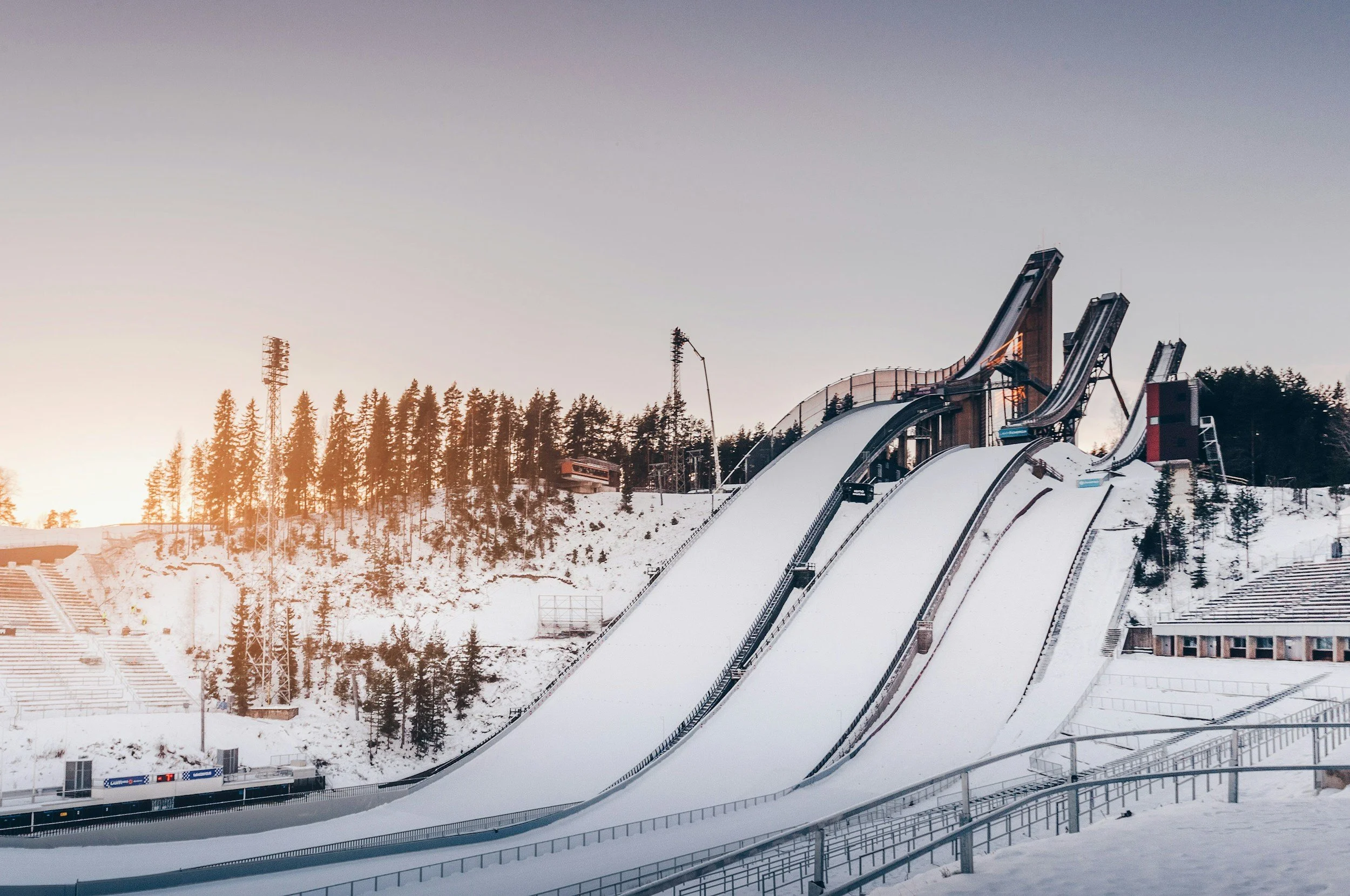
The Winter Olympics have a way of changing how we see the season.
For a few weeks, winter stops feeling like something to get through. The mountains look expansive instead of cold. Snow looks purposeful instead of inconvenient. Ice becomes a surface for precision and movement. Watching athletes compete outdoors reframes the landscape and expands our curiousity.
What stands out to me most is not just the athletic ability of the athletes, it is the environment itself. Many of these sports cannot happen without winter conditions. They depend on snow, wind, temperature, and elevation. The landscape shapes every decision and every moment. Nature is not just in the background; it actively influences the games.
Even from my living room in Utah, that relationship is apparent. Watching wide shots of alpine terrain or quiet forest trails is not the same as being outside, but our brains still respond to those visual cues. Research shows that even indirect contact with nature can help regulate stress and refocus attention.
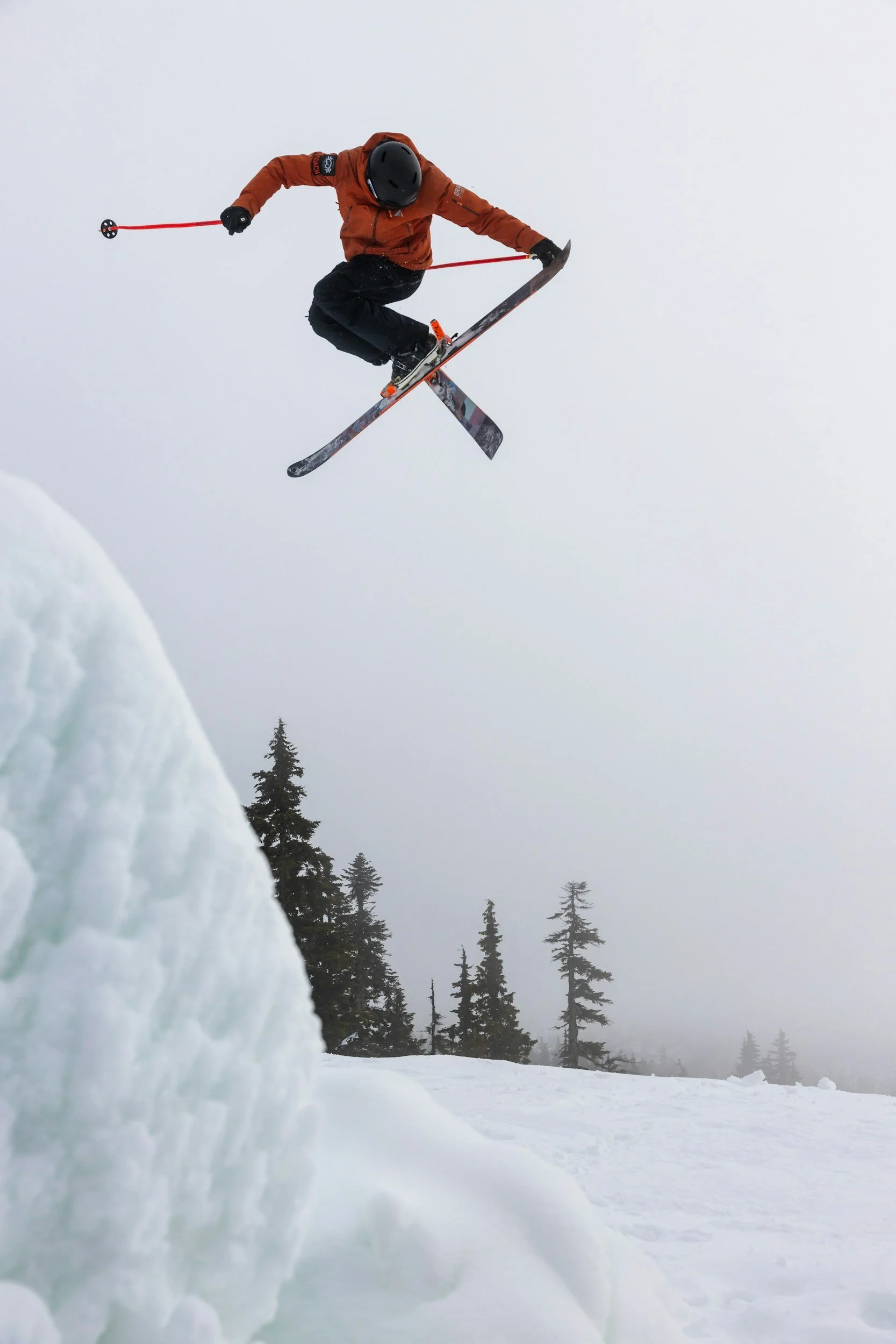
There is also something motivating about watching people move outdoors in winter. It shifts the narrative. Instead of cold being something that keeps us inside, it becomes something that we can engage with. I am not about to ski at Olympic speeds, but I might step out in the snow for a short walk. I might notice the powdered mountains on my commute. I might breathe in the cold air for a few minutes instead of rushing back inside.
The Olympics also create shared moments. We watch together, text about results, and celebrate when our favorite athletes win. That shared experience strengthens social connection, which plays an important role in overall well-being. And when these moments unfold in snowy mountains and open winter landscapes, the setting becomes part of the experience. The forests, peaks, and winter light shape how we remember it. Again, nature is not just a backdrop, it is part of what makes those moments meaningful and magical.
Here in Utah, that feels especially relevant. The landscapes we see during the Winter Games are not that different from the ones in our own backyard. The Wasatch Mountains offer the same reminder that winter is not a season to avoid, but one to embrace.
At Nature and Human Health Utah, we spend a lot of time talking about how access to nature supports mental, physical, and social well-being. And maybe that is the quiet lesson beneath all the competition. When we see people adapting to snow, wind, elevation, and terrain, it reframes our own relationship to the season. Watching might not replace being outside, but it can change how we think about it. Sometimes that shift in perspective is enough. Enough to pause. Enough to notice. Enough to put on a coat and step outside for a few minutes and experience winter for ourselves.