
New Year, New Nature and Health Aspirations
Well, we have almost made it through the holiday season, and if you are anything like me, you change in schedule. Now that we are on the other side of the holidays, we have officially entered a new year—a time that often invites reflection and consideration of what we want the year ahead to look like.
Generally, the new year is a time for resolutions. But what does that really mean? A resolution is defined as “a firm decision to do or not to do something,” which to me feels objective and rigid. It is also defined as “the action of solving a problem, dispute, or contentious matter,” which can imply that something is wrong and in need of fixing. Framed this way, resolutions can feel more corrective than hopeful.
Yet, resolutions take on a different meaning when we think beyond individual habits. As we enter a new legislative year in Utah, there are many areas that call for resolve—particularly when it comes to the health and wellbeing of both our people and our land. There are opportunities to come together as individuals, as communities, and across systems to address shared challenges and move toward collective wellbeing.
With that in mind, this new year offers space to consider resolutions at multiple levels—individual, community, state, and federal—that strengthen the connection between nature and human health and help shape a healthier future for Utah.
Personal Resolutions:
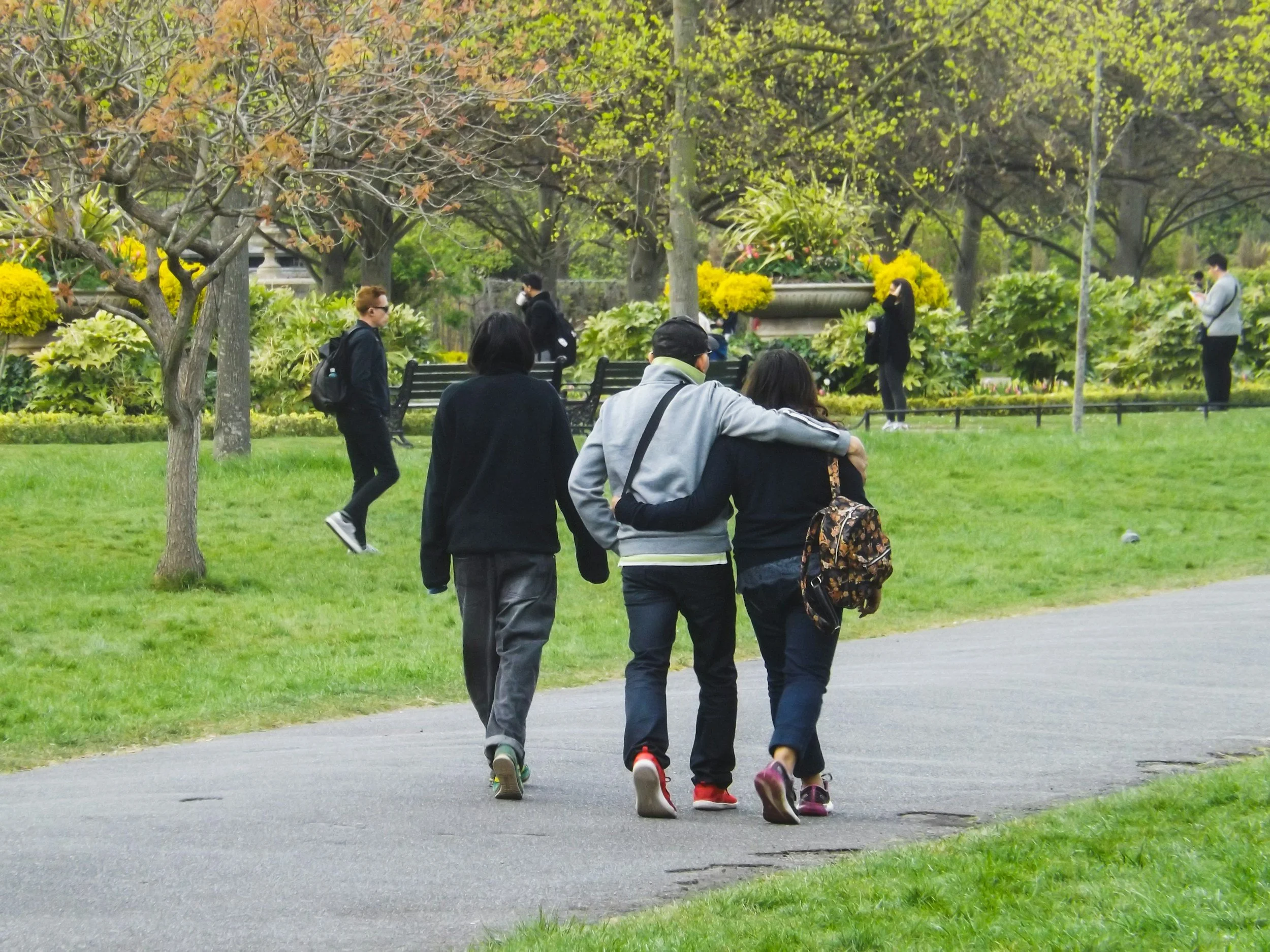
Make a habit of short, intentional time outside each day—whether it’s a morning walk in a neighborhood park, snowshoeing near your home, or simply stepping outside for deep breaths before starting work. Even brief outdoor exposure supports mental wellbeing and stress reduction. One way to implement more time outside that’s beneficial for you and the environment is to take public transportation when possible. Taking the bus or TRAX is an opportunity to get outside (perhaps make a walk of it and get on/off at a stop further from your home stop) and get cars off the road (which means less exhaust and pollution, aka cleaner air).
From the snowy Wasatch front to the red rocks in Southern Utah, to countless local green spaces and city parks, Utah’s outdoor backdrop changes dramatically throughout the year. Monthly exploration goals—like a new trail or natural area each month—keep outdoor habits fresh and engaging.
Keep a simple nature journal or use a mobile app to log where you go, what you notice, and how you feel after time outside. These reflections increase awareness of how nature supports your health.
Community Resolutions
Work with neighbor groups or local city councils to improve access to parks and trails in under-served areas. Advocating for pedestrian paths, benches, shade trees, and community gardens strengthens both health and connection within the community.
Participate in trail clean-ups, native planting days, or citizen science monitoring in local parks. Community stewardship increases environmental resiliency while offering purposeful outdoor
Encourage local clinics, schools, or community centers to integrate “nature prescriptions” into programming—structured outdoor time recommended alongside regular care. Partnerships like these model how natural settings support wellbeing.
State-Level Resolutions
Support funding for expanded trail networks, accessible parks, and active transportation corridors in both urban and rural communities. Evidence shows that access to green space correlates with increased physical activity and reduced chronic disease.
Back programs that integrate outdoor field trips, garden and high-quality green spaces on schoolgrounds, and nature-based curriculum at schools statewide. Time outside improves cognitive development and reduces stress in students.
Support research and solutions to fill the Great Salt Lake. This ecosystem is critical for the health of our environment and the health of our people. Research shows that a Salt Lake with low water levels results in an increase in healthcare expenses related to asthma and an increase in missed school and work days.
Nation-Wide Solutions
Federal investment in national parks, forests, and monuments ensures these spaces remain accessible, safe, and ecologically resilient. Utah’s remarkable public lands including iconic canyons, alpine forests, and desert ecosystems provide wide-ranging health benefits to visitors from all walks of life.
Federal agencies like the CDC and NIH increasingly fund research on “nature as medicine”—from stress reduction to cardiovascular health. Sustained funding for research helps build the evidence base linking nature exposure with improved physical and mental health.
Federal programs that support habitat restoration, watershed health, and wildlife connectivity not only protect biodiversity but also the nature experiences that boost human wellbeing.
A resolution doesn’t need to be rigid or problem focused. It can be a living intention that grows with you, your neighbors, and your community. When we elevate nature as a partner in health—at individual, community, state, and federal levels—we strengthen both Utah’s environments and the wellbeing of all who call this place home.
Let 2026 be a year where nature and human health are resolved together.